
Difference Between Professional Packers and Movers and Basic Moving Service
Price is usually the first thing people look at when comparing movers. Fair enough - but a cheap moving service and a full-service packers and movers company often aren't selling the same thing at all, even when the quotes look comparable on paper.
Some of them just show up with a vehicle and a couple of workers. Others fold: packing, loading, transport, tracking, insurance support and unloading into a single job. Knowing which one is sitting in front of you changes how you should be reading the quote.
What Basic Moving Services Actually Cover
These are built around transport and manpower - a truck or tempo, plus a couple of hands to load and unload. The packing part is usually on you.
Packing yourself means dismantling furniture, sourcing packing material, labelling boxes, and keeping an eye on anything fragile before the team even arrives. For a small move - a few boxes, some furniture, a short trip across town, most people manage that themselves without much trouble.
A whole house or an office is a different scale of problem.
What Professional Packers and Movers Bring to the Table
A professional mover doesn't treat relocation as "get it from A to B." It's a sequence: pre-move assessment, packing, loading, dismantling furniture where needed, transport, unloading, and sometimes unpacking or reassembly too, depending on what package you've picked.
The real value, honestly, is coordination. Rather than juggling separate vendors for each piece, you've got one team owning the whole process from pickup to delivery - which matters a lot more than people expect once moving day actually arrives.
Professional Packers and Movers vs Basic Moving Services
1. Packing and Protection
This is where the gap shows up fastest.
Basic services generally leave packing to the customer - whatever cartons, tape, or wrapping happens to be lying around. Professional teams pack differently depending on the item. Furniture gets wrapped and covered; glassware, electronics, and other fragile pieces get extra cushioning. Corrugated boxes, bubble wrap, foam sheets, stretch film, protective covers - the materials change based on what's being moved.
Neat-looking boxes aren't really the point. What matters is how little the item can move once it's inside the carton - that's what actually keeps it safe through loading and transit.
2. Handling Furniture and Appliances
A fridge, a wardrobe, a washing machine - none of these behave like an ordinary box.
Professional teams tend to have workers who've actually lifted, loaded, and positioned bulky items before. Furniture gets dismantled ahead of transport and reassembled at the other end, if that's part of the service. Basic labour is a bit of a lottery by comparison - the quality depends heavily on whoever turns up that day, and with something like a fridge or a good wardrobe, that's not a gamble worth taking.
3. Planning and Coordination
Moving isn't just picking a truck size.
A well-planned relocation accounts for item count, floor level, lift access, parking distance, narrow doorways, vehicle size, and delivery requirements - all before moving day even starts. This groundwork matters a lot more for apartment shifting and long-distance moves, where one small hiccup on either end can throw off the whole schedule.
A written quotation helps here too - it tells you exactly what's included, rather than leaving you to guess.
4. Transportation and Tracking
Basic arrangements often give you a vehicle and a driver's number, and that's about it.
Professional movers can offer more - a covered vehicle suited to the load, shipment updates, GPS tracking through transit. For interstate moves especially, that's the difference between constantly calling to ask "where's the truck now?" and actually knowing.
5. Transit Insurance and Customer Assurance
Don't skip this one.
However carefully a move is planned, transport always carries some risk. Damage can happen during handling or transit for reasons nobody could fully predict. Transit insurance offers financial protection against covered risks, subject to policy terms - so before booking, ask what's covered, what the limit is, what's excluded, and what documentation a claim would need.
A professional mover should walk you through this properly, not just say "yes, we have insurance" and leave it there.
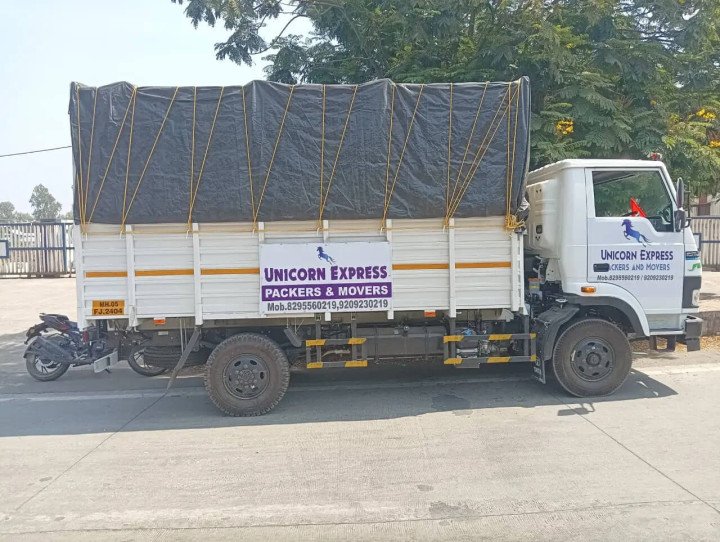
Unicorn Express is a reasonable example of how this gets communicated - transit insurance support sits alongside 24/7 support and GPS tracking as standard parts of the relocation service, and the IBA-focused offering goes a step further, spelling out insurance protection, inventory systems and protective packing practices rather than leaving customers to ask.
6. Business Credentials and Service History
Verifying who you're actually dealing with is easier with some companies than others.
Look for business registrations, certifications, industry approvals, customer feedback, and a track record of completed moves. None of this guarantees a flawless move - but it does give you more to go on before your belongings leave your hands.
Unicorn Express, as an example, lists GST and MSME registrations, ISO certification, IBA-approved services, 15,000+ completed moves, 13+ years in the business, and a 4.8-star customer rating on its site.
When Is a Basic Moving Service Enough?
For a small, short-distance move a handful of boxes, limited furniture - a full packing-and-relocation package might be more than you need. Already packed everything yourself? Then loading, transport and unloading may be all the help the job calls for.
What matters is knowing exactly which parts of the job are yours before moving day arrives.
When Does a Professional Mover Make More Sense?
Once you're dealing with multiple rooms, heavy furniture, fragile items, appliances, or a long-distance move, professional support starts pulling its weight. Office relocations are much the same story, equipment, files and workstations all need organised handling, and downtime has a real cost attached to it.
Same logic applies if you're moving a car or bike alongside household goods, or need temporary storage as part of the relocation. In these cases, paying for the fuller service usually saves time and headaches on both counts.
Does Paying More Actually Mean Better Value?
Not automatically but the comparison should be on total cost, not just the number on the first quote.
With basic services, the transport itself might be cheaper, but you're still buying packing material, arranging extra labour, dismantling furniture, and spending your own time getting ready. A professional mover often charges more precisely because most of that is already built into the service.
So the real question isn't "which company is cheaper", it's "what am I actually getting for what I'm paying." That includes packing quality, manpower, vehicle type, tracking, insurance, unloading, documentation, and support.
What to Check Before Booking
Ask for a clear quotation and go through what's actually included - packing material, loading and unloading, furniture dismantling, transport, delivery timeline, insurance terms, and any extra charges. It's worth confirming registrations, certifications, reviews, and a genuine track record too.
A company with established systems and a real history like Unicorn Express, which lists 15,000+ completed moves, 500+ team members, GPS tracking, transit insurance support, and 24/7 customer assistance alongside its other credentials gives you more to evaluate before deciding.
In the end, it comes down to the move itself. A small, simple relocation can get by on basic transport just fine. Once you're looking at a full home, an office, or a long-distance run, though, the planning and protection a professional team brings tends to earn back the extra you pay for it.